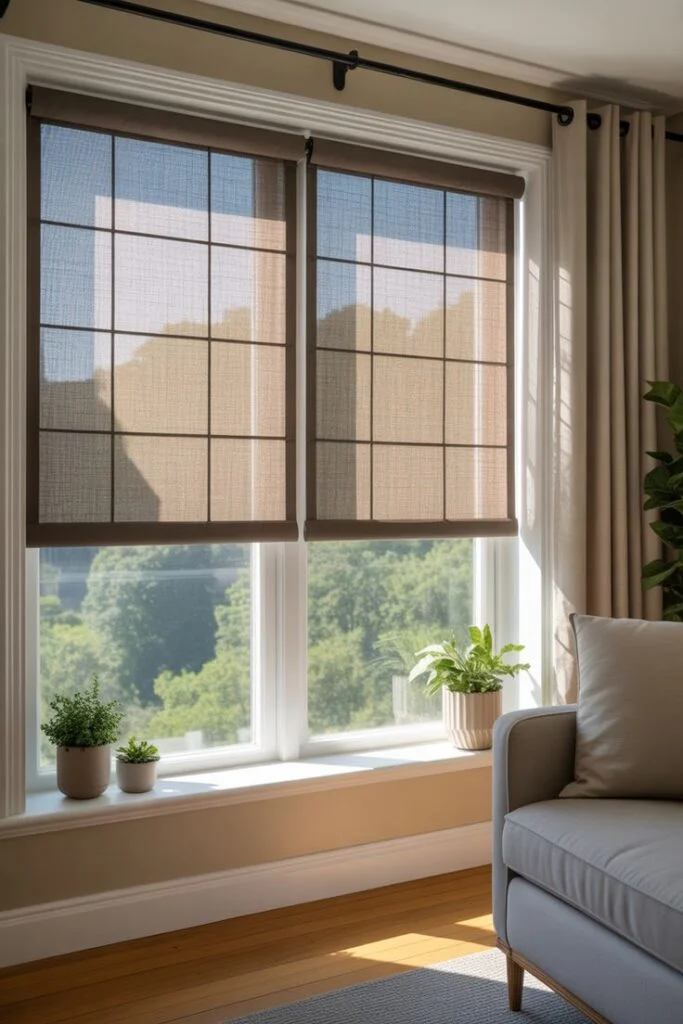
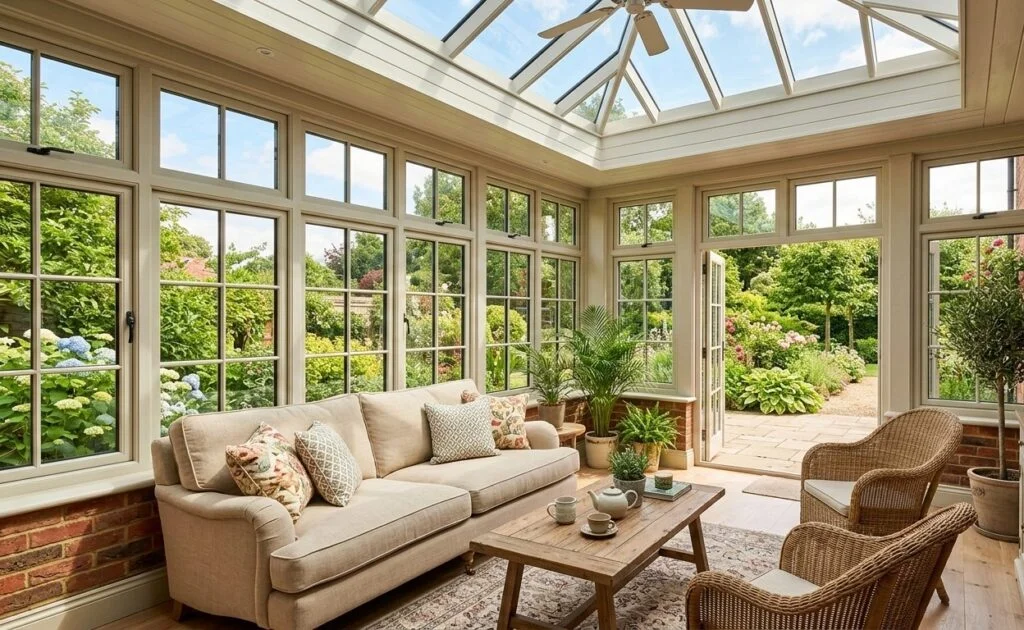
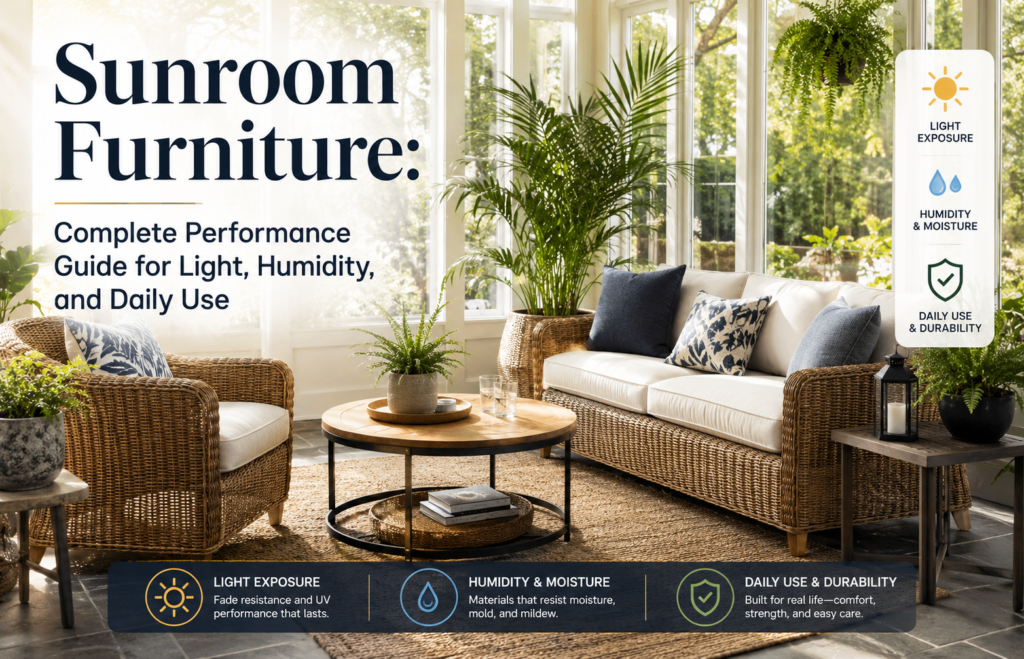
A sunroom should feel like a natural extension of your home rather than a separate space attached as an afterthought. The sunroom design style you choose influences everything from furniture and flooring to lighting, windows, and year-round comfort. Whether you prefer a modern glass retreat, a cozy farmhouse gathering space, or a bright coastal-inspired room, selecting the right style helps create a sunroom that looks beautiful and functions well for everyday living.
The best sunroom design style depends on your home’s architecture, the amount of natural light available, your climate, and how you plan to use the room. Some homeowners prioritize entertaining guests, while others want a quiet reading space, indoor garden area, or family relaxation zone. Understanding the characteristics of each style makes it easier to create a cohesive design that feels intentional and timeless.
Before choosing a specific style, it is helpful to understand the overall principles that influence successful sunroom design. If you are still planning the structure itself, start with our sunroom furniture guide to understand the fundamentals of sunroom planning, construction, and design integration.
What Are the Main Sunroom Design Styles?
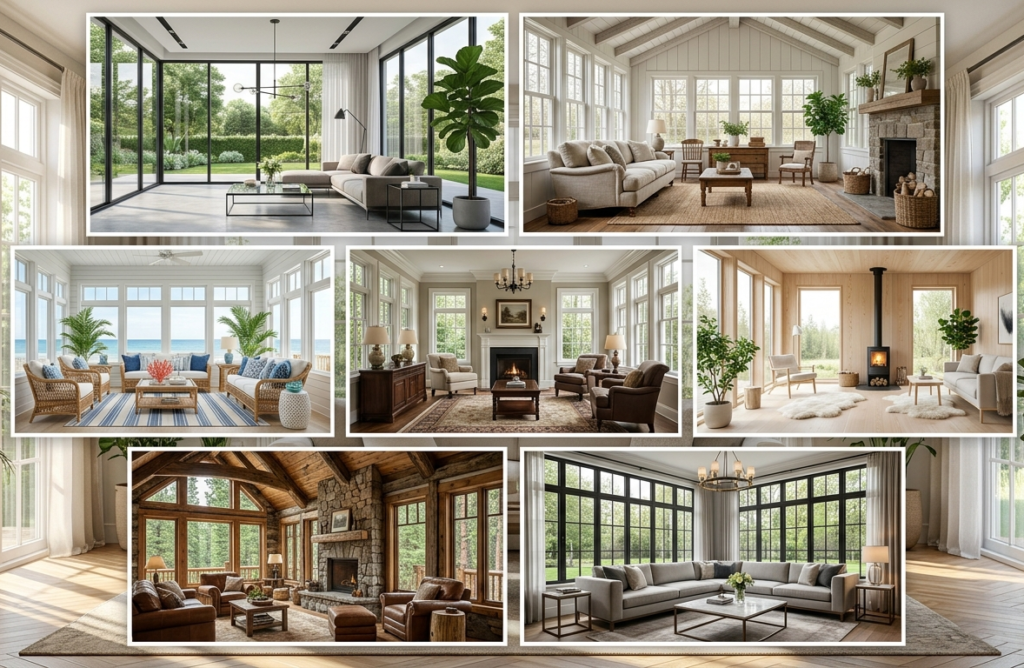
Sunroom design styles are visual themes that guide the appearance, materials, furniture, color palette, and overall atmosphere of the space. While every homeowner can personalize their room, most sunrooms fall into several established categories that have proven popular for decades.
The most common sunroom design styles include modern, farmhouse, coastal, traditional, Scandinavian, rustic, and transitional. Each style creates a different feeling while offering unique benefits depending on the home and lifestyle of the owner.
A modern sunroom focuses on simplicity, clean lines, and expansive glass. Farmhouse sunrooms emphasize warmth and comfort through natural wood and casual furnishings. Coastal designs create bright, airy environments inspired by seaside living. Traditional sunrooms use classic furniture and architectural details for a timeless appearance. Scandinavian spaces prioritize minimalism and functionality, while rustic rooms embrace natural textures and cozy materials. Transitional design combines elements from both traditional and modern styles to create a balanced and versatile aesthetic.
Understanding these styles helps homeowners avoid random decorating decisions that can make a sunroom feel disconnected from the rest of the house.
The most popular sunroom styles typically share several characteristics:
- Strong connection to natural light
- Consistent color palette
- Coordinated furniture selection
- Appropriate flooring materials
- Thoughtful lighting design
- Architectural harmony with the main house
- Comfortable year-round usability
While trends may change over time, these core principles remain consistent across successful sunroom projects.
How Do You Choose the Right Sunroom Style for Your Home?
Choosing the right sunroom style begins with evaluating the architecture of your existing home. A modern glass sunroom attached to a traditional colonial home may feel disconnected unless the transition is carefully designed. Similarly, a rustic timber-filled sunroom may look out of place attached to an ultra-modern structure.
Start by examining the exterior materials, rooflines, window designs, and overall character of your home. The sunroom should complement these features rather than compete with them. The most successful projects create a seamless visual connection between indoor and outdoor spaces while maintaining architectural consistency.
Climate also plays a significant role in style selection. Homes in warm regions often benefit from coastal or modern designs that maximize airflow and brightness. Properties in colder climates may work better with traditional or rustic styles that incorporate warmer textures and layered materials.
Several factors should influence your decision:
- Existing home architecture
- Available natural light
- Climate conditions
- Desired room function
- Family lifestyle
- Maintenance preferences
- Budget considerations
- Resale value goals
Another important consideration is how the room will be furnished and used throughout the year. A sunroom designed primarily for entertaining may require different furniture layouts than a reading room, home office, or indoor garden space.
Your choice of windows can dramatically influence the final appearance of the room. Large glass walls complement modern designs, while divided-light windows often enhance traditional aesthetics. To understand how window choices affect both style and functionality, explore our guide to sunroom windows.
Ultimately, the best style is the one that feels like a natural extension of your home while supporting the activities you enjoy most.
What Makes a Modern Sunroom Style Work?

Modern sunroom design has become one of the most sought-after styles because it combines elegance, simplicity, and functionality. The modern approach focuses on maximizing natural light while eliminating unnecessary visual clutter.
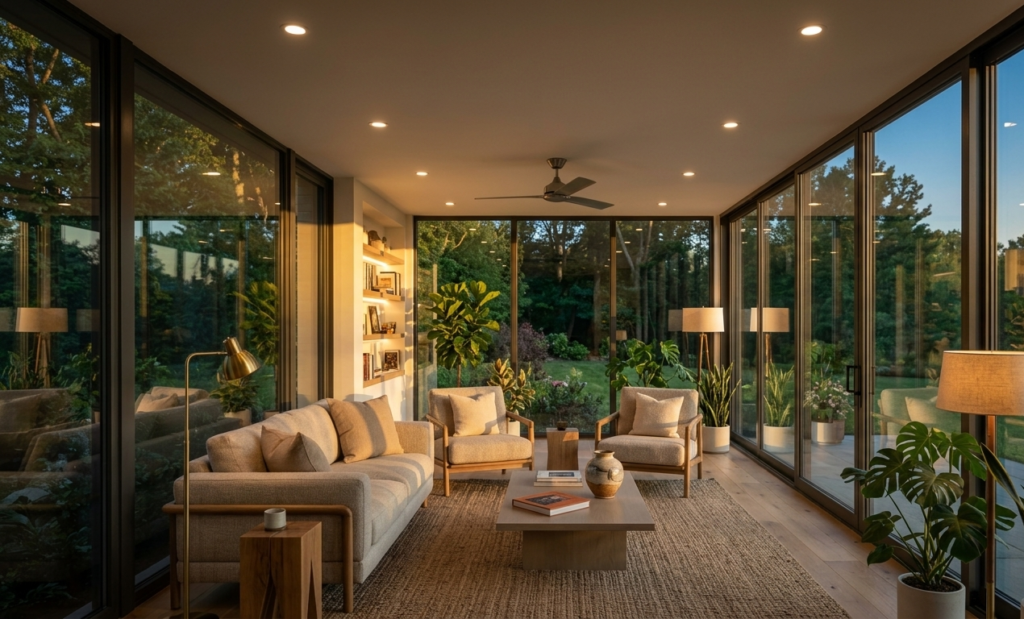
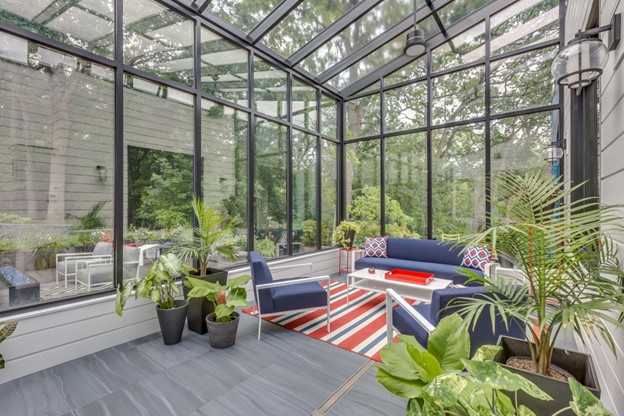
Large windows are the defining feature of a modern sunroom. Floor-to-ceiling glass panels, slim black window frames, and unobstructed outdoor views create a bright and open environment. Every design element serves a purpose, contributing to a clean and sophisticated appearance.
Color palettes in modern sunrooms tend to remain neutral. White, gray, black, beige, and soft earth tones dominate the space. These colors allow natural sunlight and outdoor scenery to become focal points rather than competing interior decorations.
Modern sunrooms often feature:
- Floor-to-ceiling glass
- Black metal window frames
- Minimalist furniture
- Neutral color palettes
- Open floor plans
- Large-format flooring
- Clean architectural lines
- Simple decorative accents
Furniture choices remain intentionally restrained. Rather than filling the room with numerous pieces, modern designs emphasize quality over quantity. A streamlined sectional sofa, minimalist lounge chairs, and a simple coffee table often provide all the functionality needed.
Flooring also plays a major role in achieving the modern aesthetic. Large porcelain tiles, engineered hardwood, and polished concrete finishes help reinforce the clean appearance. For a deeper look at material selection, see our guide on sunroom flooring.
Another reason modern sunrooms remain popular is their versatility. They work well in both small and large spaces while providing a timeless appearance that avoids becoming overly trendy.
Why Is Farmhouse Sunroom Style So Popular?

Farmhouse sunroom design appeals to homeowners because it combines comfort, warmth, and practicality. Unlike ultra-minimalist spaces, farmhouse sunrooms feel welcoming and lived-in, making them ideal for everyday family use.
Natural materials define the farmhouse aesthetic. Wood accents, exposed beams, shiplap walls, and textured fabrics create a relaxed environment that encourages people to gather and spend time together.
White remains the dominant color in farmhouse interiors, but it is typically paired with warm wood tones rather than stark black contrasts. The result feels bright while maintaining a cozy atmosphere.
Farmhouse sunrooms commonly include:
- White walls and trim
- Natural wood accents
- Shiplap paneling
- Comfortable upholstered seating
- Woven baskets
- Indoor plants
- Rustic lighting fixtures
- Soft neutral textiles
Furniture selection focuses heavily on comfort. Oversized chairs, deep sofas, and casual dining areas encourage long periods of relaxation. Unlike modern spaces that emphasize visual simplicity, farmhouse designs prioritize usability and warmth.
Lighting also contributes significantly to the overall atmosphere. Vintage-inspired pendants, lantern fixtures, and warm-toned bulbs help create a welcoming environment after sunset. Homeowners seeking inspiration for fixture selection should review our guide to sunroom lighting.
Farmhouse design continues to remain popular because it balances style and practicality while creating spaces that feel inviting throughout the year.
What Defines a Coastal Sunroom Style?

Coastal sunroom design is inspired by the relaxed atmosphere of seaside living. Even if your home is nowhere near the ocean, this style creates a bright, airy, and calming environment that feels connected to nature. Coastal sunrooms emphasize natural light, soft color palettes, lightweight furniture, and an effortless indoor-outdoor flow.
The goal of coastal design is not necessarily to recreate a beach house but to capture the openness and tranquility associated with coastal environments. Large windows play a critical role because they maximize sunlight and make the room feel larger and more connected to the outdoors.
Color palettes typically revolve around:
- White
- Soft blue
- Sand beige
- Light gray
- Seafoam green
- Driftwood tones
Natural materials help reinforce the aesthetic. Wicker furniture, rattan accents, linen upholstery, jute rugs, and weathered wood finishes are common features. These materials introduce texture without making the space feel heavy or cluttered.
One reason coastal sunrooms remain popular is their adaptability. They work equally well in small and large spaces because lighter colors naturally reflect sunlight and create an open appearance. Homeowners often combine coastal elements with modern or Scandinavian influences for a cleaner and more contemporary look.
Furniture should remain comfortable but visually lightweight. Bulky dark wood pieces can quickly undermine the breezy atmosphere that coastal design aims to achieve. Instead, choose furniture with exposed legs, woven textures, and simple silhouettes.
Flooring selection is equally important. Light-colored tile, engineered wood, and luxury vinyl plank flooring help maintain the bright aesthetic while standing up to heavy sun exposure. If you are comparing flooring materials for different design styles, our sunroom flooring guide explains which options work best in high-light environments.
Coastal sunrooms are particularly effective in warmer climates because the style naturally emphasizes ventilation, brightness, and visual openness.
When Should You Choose a Traditional Sunroom Style?

Traditional sunroom design remains one of the most timeless and versatile options available. While trends come and go, traditional spaces continue to appeal to homeowners who value elegance, symmetry, and long-term design stability.
A traditional sunroom typically complements homes with classic architectural styles such as Colonial, Victorian, Georgian, Craftsman, or Tudor designs. The goal is to create a seamless transition between the main home and the sunroom rather than introducing a dramatically different design language.
Traditional sunrooms often feature:
- Symmetrical furniture layouts
- Decorative moldings
- Rich wood finishes
- Classic area rugs
- Upholstered furniture
- Traditional light fixtures
- Formal seating arrangements
- Neutral color palettes
Unlike modern spaces that focus on minimalism, traditional sunrooms often incorporate more decorative details. Crown molding, decorative trim, paneled walls, and elegant furniture contribute to a sophisticated appearance without feeling overly formal.
One of the greatest strengths of traditional design is its longevity. A well-designed traditional sunroom rarely feels outdated because it relies on proven design principles rather than short-lived trends.
Furniture selection tends to focus on comfort and refinement. Wingback chairs, upholstered sofas, wooden coffee tables, and carefully selected accessories create an inviting environment suitable for entertaining guests or spending quiet evenings with family.
Traditional sunrooms also adapt exceptionally well to four-season use because they often incorporate more substantial construction materials and layered furnishings. However, style alone does not determine year-round comfort. Proper insulation, energy-efficient windows, and climate control systems play equally important roles.
To understand how thermal performance affects sunroom usability, explore our detailed guide on sunroom insulation, which explains how insulation choices impact comfort throughout every season.
Traditional design remains a safe choice for homeowners seeking maximum resale appeal because it complements a wide range of home styles and buyer preferences.
What Is a Scandinavian Sunroom Style?

Scandinavian sunroom design focuses on simplicity, functionality, and maximizing natural light. Originating from Nordic countries where daylight is limited during portions of the year, Scandinavian interiors are specifically designed to make spaces feel brighter, larger, and more welcoming.
This style has gained significant popularity because it aligns perfectly with the core purpose of a sunroom: bringing natural light into the home.
Scandinavian sunrooms generally feature:
- White or light-colored walls
- Pale wood finishes
- Minimal furniture
- Functional layouts
- Natural textiles
- Indoor plants
- Soft neutral color palettes
- Uncluttered surfaces
The philosophy behind Scandinavian design centers on intentional living. Every piece of furniture serves a purpose, and unnecessary decoration is minimized. This creates a calm environment that feels both practical and visually appealing.
Natural materials remain central to the aesthetic. Light oak furniture, linen fabrics, wool throws, woven baskets, and ceramic accessories add warmth while maintaining simplicity.
One of the biggest advantages of Scandinavian sunroom design is its suitability for smaller spaces. Because the style avoids visual clutter and emphasizes brightness, compact sunrooms often appear significantly larger than they actually are.
Furniture arrangements tend to prioritize flexibility and comfort rather than formality. Reading chairs, small sofas, compact tables, and adaptable seating solutions help maximize usability without overcrowding the room.
Lighting remains important even in sunrooms filled with daylight. Scandinavian interiors often use simple pendant fixtures, floor lamps, and table lamps that provide warm illumination during evening hours. Homeowners seeking inspiration for layered lighting strategies should review our article on sunroom lighting.
The Scandinavian approach is ideal for individuals who prefer clean aesthetics, low maintenance, and highly functional living spaces.
How Does Rustic Sunroom Design Create a Cozy Look?

Rustic sunroom design focuses on warmth, texture, and a strong connection to natural materials. Unlike modern spaces that emphasize clean lines and simplicity, rustic interiors celebrate imperfections and organic beauty.
This style works particularly well in mountain homes, cabins, country properties, and houses surrounded by natural landscapes. However, rustic design can also be incorporated into suburban homes when balanced carefully with other design influences.
Key rustic design features include:
- Exposed timber beams
- Natural stone accents
- Reclaimed wood furniture
- Warm earth-tone color palettes
- Layered textiles
- Fireplace features
- Handcrafted decorative elements
- Natural fiber rugs
The defining characteristic of rustic design is texture. Wood grain, stone surfaces, woven fabrics, leather upholstery, and aged finishes create visual depth that makes the space feel welcoming and comfortable.
Color palettes typically include:
- Warm browns
- Deep greens
- Soft grays
- Cream tones
- Earth-inspired neutrals
Rustic furniture tends to be substantial and durable. Large wooden tables, oversized seating, handcrafted pieces, and natural finishes help reinforce the style’s connection to traditional craftsmanship.
One reason rustic sunrooms remain attractive is their ability to create psychological warmth. Even during winter months, rustic spaces often feel cozy due to their material choices and layered design elements.
Climate control remains particularly important in rustic four-season sunrooms. While fireplaces and wood stoves can contribute to comfort, modern homeowners often benefit from integrated systems that provide efficient year-round temperature management.
To ensure a rustic sunroom remains comfortable during extreme temperatures, review our guide on sunroom heating and cooling, which explains how climate systems support year-round usability.
Rustic design is especially effective for homeowners who prioritize comfort, character, and a connection to nature over sleek contemporary aesthetics.
Can Transitional Sunroom Style Combine Modern and Classic Elements?

Transitional sunroom design has become one of the most popular choices because it successfully blends the best aspects of traditional and modern interiors. Rather than committing fully to either style, transitional design creates balance through carefully selected combinations of contemporary and classic elements.
Many homeowners appreciate transitional design because it feels current without becoming overly trendy. It offers flexibility, broad appeal, and excellent long-term value.
Transitional sunrooms typically feature:
- Clean architectural lines
- Comfortable furniture
- Neutral color palettes
- Minimal decorative clutter
- Mixed material finishes
- Balanced layouts
- Layered textures
- Timeless design elements
A transitional room might combine modern window systems with traditional seating arrangements or pair sleek flooring with classic lighting fixtures. The goal is harmony rather than contrast.
Color schemes usually remain neutral, incorporating shades such as:
- White
- Beige
- Gray
- Taupe
- Soft charcoal
These neutral foundations allow homeowners to introduce personality through furniture, textiles, artwork, and accessories without overwhelming the space.
Furniture selection often represents the strongest example of transitional design. Upholstered sofas with classic shapes may be paired with modern coffee tables, contemporary rugs, and streamlined storage solutions.
This style also works exceptionally well for homeowners who are uncertain about committing to a highly specific design direction. Transitional interiors adapt more easily to future updates and changing trends than many style-specific alternatives.
Because transitional design balances aesthetics and functionality, it integrates well with multiple sunroom purposes, including:
- Family rooms
- Reading spaces
- Entertaining areas
- Home offices
- Indoor garden rooms
For homeowners planning furniture layouts, our sunroom furniture guide explores how different seating arrangements and material selections support various design styles.
The widespread appeal of transitional design also makes it one of the strongest options from a resale perspective.
Which Sunroom Style Works Best for Small Spaces?
Small sunrooms require thoughtful design decisions because every visual element affects how spacious the room feels. While almost any style can be adapted to a compact footprint, some design approaches perform significantly better than others.
The most successful styles for small sunrooms include:
- Scandinavian
- Modern
- Coastal
- Transitional
These styles share several important characteristics that help maximize perceived space.
First, they rely heavily on lighter color palettes. White walls, pale flooring, neutral furniture, and reflective surfaces help distribute sunlight throughout the room, making the space appear larger.
Second, these styles avoid excessive decorative clutter. Every unnecessary object consumes visual space and can make a small room feel crowded.
Third, furniture tends to feature slimmer profiles and exposed legs, which create a stronger sense of openness.
To make a small sunroom feel larger:
- Use light wall colors
- Choose compact furniture
- Limit decorative accessories
- Maximize natural light
- Maintain visual consistency
- Use large windows whenever possible
- Incorporate mirrors carefully
- Avoid oversized furniture
Window placement becomes especially important in compact spaces. Large windows visually extend the boundaries of the room and strengthen the connection to the outdoors. This creates the illusion that the interior space continues beyond its physical walls.
If you are planning the overall design of a small sunroom, our sunroom master authority guide provides broader planning strategies that complement the style-specific recommendations discussed here.
A well-designed small sunroom often feels more comfortable and usable than a poorly planned larger one. The key is choosing a style that enhances openness rather than competing for attention.
Which Sunroom Style Works Best for Four-Season Use?

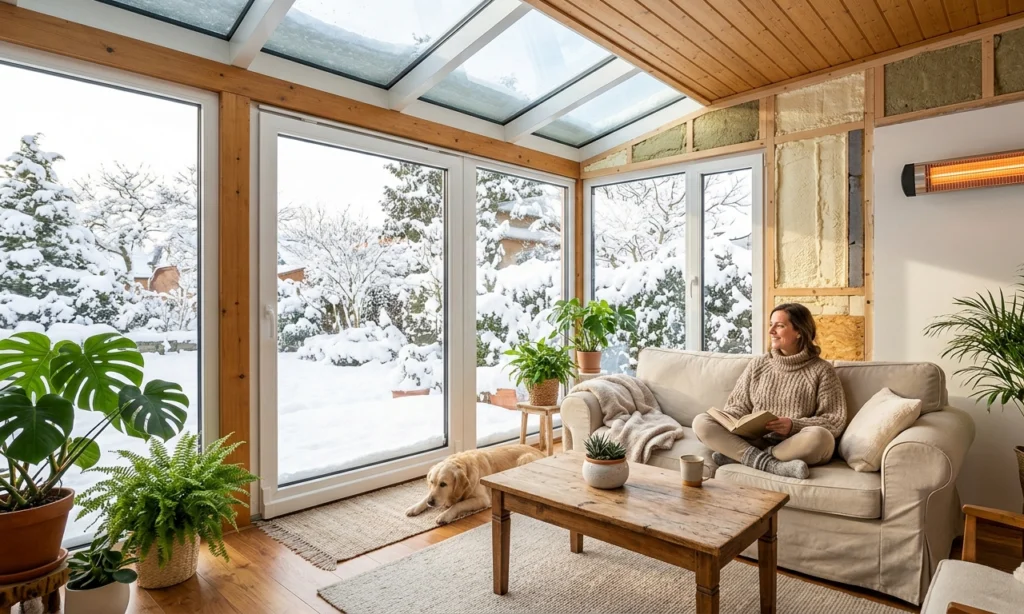
A four-season sunroom is designed to remain comfortable throughout the year, making style selection about more than appearance alone. While any design style can be adapted for year-round use, modern, traditional, transitional, and rustic sunrooms tend to perform best because they pair well with insulation, climate control systems, and energy-efficient construction.
Modern four-season sunrooms often use high-performance glass and clean architectural lines, while traditional and transitional spaces benefit from layered furnishings that create a warmer atmosphere during colder months. Rustic designs also work exceptionally well because natural materials and textured finishes naturally create a cozy environment.
Regardless of style, year-round comfort depends on proper construction and environmental control. A beautiful design will quickly lose its appeal if the room becomes too hot in summer or too cold in winter. That is why homeowners should consider sunroom insulation and sunroom heating and cooling during the planning process rather than treating them as afterthoughts.
The most successful four-season sunrooms combine attractive design with practical comfort solutions, creating spaces that can be enjoyed every month of the year.
How Should Furniture Match Each Sunroom Style?
Furniture plays a major role in defining the overall character of a sunroom. Even with the right flooring, windows, and color palette, mismatched furniture can make the design feel disconnected.
Modern sunrooms typically work best with streamlined seating, clean lines, and minimal decorative elements. Farmhouse spaces benefit from comfortable upholstered furniture, natural wood accents, and relaxed seating arrangements. Coastal rooms often feature wicker, rattan, and light-colored fabrics that reinforce their airy appearance.
Traditional sunrooms pair well with classic upholstered chairs and wooden furniture, while Scandinavian interiors favor simple, functional pieces with light wood finishes. Rustic spaces usually incorporate larger furniture with natural textures and handcrafted details.
For homeowners planning layouts, material selection, and seating arrangements, our guide to sunroom furniture provides detailed recommendations for every design style.
Choosing furniture that supports the style rather than competing with it creates a more cohesive and visually appealing room.
What Sunroom Style Mistakes Should You Avoid?

One of the most common mistakes is choosing a style that conflicts with the architecture of the main home. While contrast can work in some situations, extreme differences often make the sunroom feel disconnected rather than integrated.
Another mistake is overcrowding the room with furniture and decorative accessories. Because sunrooms are designed to celebrate natural light and outdoor views, excessive clutter can make the space feel smaller and less inviting.
Other mistakes include:
- Using furniture that is too large for the room
- Ignoring natural light patterns
- Choosing dark finishes in small spaces
- Mixing too many design styles
- Overlooking comfort requirements
- Neglecting lighting for evening use
- Selecting flooring based only on appearance
Many homeowners also underestimate the importance of lighting. Even the brightest sunroom eventually needs artificial illumination after sunset. Proper fixture selection helps maintain the room’s atmosphere throughout the day, which is why sunroom lighting should be considered early in the design process.
Avoiding these common mistakes helps create a sunroom that remains attractive and functional for years.
Final Verdict: Which Sunroom Design Style Should You Choose?
The best sunroom design style is the one that complements your home’s architecture, supports your lifestyle, and creates a comfortable environment throughout the year.
Modern sunrooms are ideal for homeowners who prefer clean lines and minimalist design. Farmhouse styles create warm, welcoming family spaces, while coastal designs offer bright and relaxing environments. Traditional sunrooms provide timeless elegance, Scandinavian designs maximize simplicity and light, rustic spaces deliver warmth and character, and transitional styles offer the flexibility of combining classic and contemporary elements.
There is no universally perfect choice. The right design depends on how you plan to use the room, the amount of natural light available, your climate, and your personal preferences. By carefully considering furniture, flooring, windows, lighting, insulation, and comfort systems, you can create a sunroom that feels like a natural extension of your home.
If you are still exploring ideas for your project, return to our sunroom master authority guide to discover additional planning, design, and construction insights that will help you build the ideal sunroom for your space.
Frequently Asked Questions
What is the most popular sunroom design style?
Modern sunroom design is currently one of the most popular styles because it combines large windows, clean lines, neutral colors, and low-maintenance interiors.
Which sunroom style adds the most value to a home?
Styles that match the architecture of the existing home generally add the most value. Traditional, transitional, and modern sunrooms often have the broadest appeal to buyers.
What is the best sunroom style for small spaces?
Scandinavian, coastal, and modern styles work especially well in smaller sunrooms because they use light colors, simple furniture, and uncluttered layouts.
Can I mix different sunroom design styles?
Yes. Transitional design is built around combining modern and traditional elements while maintaining a cohesive appearance.
Which sunroom style is easiest to maintain?
Modern and Scandinavian sunrooms are typically the easiest to maintain because they feature fewer decorative accessories and simpler furniture arrangements.